This post may contain affiliate links. Please see my disclosure policy for more details.
Once you’ve found a house sitter through a popular site like Trusted Housesitters or Aussie House Sitters, the next thing to think about is how to prepare for your house sitter.
I’m a professional pet sitter in Sydney, and I’ve completed over 200 house sits in Australia. I’ve put together this handy house sitter instructions template and house sitting checklist to help homeowners like you avoid any mishaps.
I’ve come across all kinds of house owners since I started house sitting, from those who’ve thought of every eventuality to those who’ve simply handed me the keys and left.
There are many things you should do in order to ensure the safety and comfort of your home, pets and house sitter before you go on holiday, so here’s my house sitter checklist and expert guide on how to prepare for your house sitter.
If you prefer, you can watch my YouTube video below!
House Sitting Preparation Contents
Click on the following items in my house sitter checklist to jump straight to a topic.
- 1. Write Clear House Sitter Instructions
- 2. Go Through Pet Care & Household Procedures
- 3. Vet & Pet Preparation
- 4. Prepare Your House for Your House Sitter
- 5. Notify Your House Sitter of Your Return
1. Write House Sitter Instructions
One of the most crucial ways to prepare for your house sitter is to leave them a list of expected duties and important information they might require while you’re away.
Prepare this in advance so you’re not in a panic the night before your holiday. Preferably type it up and print it out so that it’s legible and can be easily updated next time.
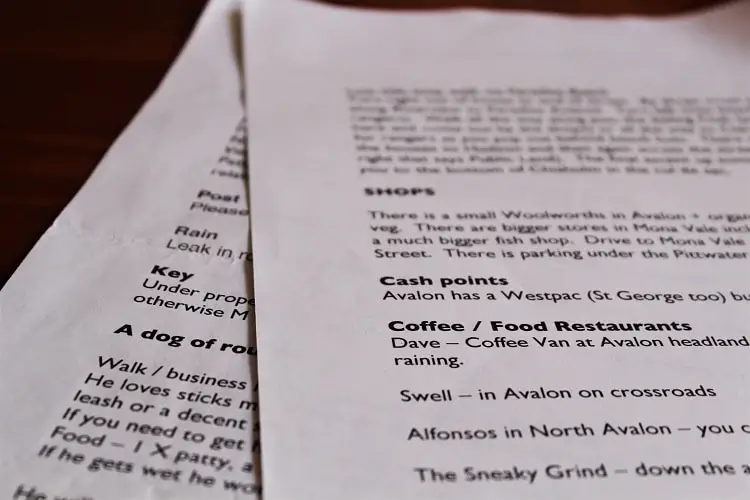
Here’s the standard information to fill out in your house sitter instructions:
- EMERGENCY CONTACTS – Names, phone numbers, if someone lives nearby and whether they have a spare key.
- VET DETAILS – Your vet’s name, address and phone number, and an out-of-hours emergency number.
- YOUR CONTACT DETAILS – Where you’ll be and how you can best be contacted. Do you wish to receive regular updates or photos of the animals?
- YOUR RETURN DATE – What day and time you’ll be back. Where should your house sitter leave the keys if they need to depart earlier in the day?
- ANIMAL FEEDING – How often, how much and where the food is kept.
- DOG WALKING – When, where, how long for, whether you let them off the leash and where the leash and poo bags are kept.
- PET MEDICATION – List any medical conditions, what medication to give, how much and how to administer it.
- PET ZONES – Where your pets sleep, any rooms or furniture they’re banned from, and what you do with them when you go out.
- HOUSEHOLD JOBS – What you need your house sitter to do while you’re away, e.g. empty the mailbox daily, water plants, poop scoop.
- CLEANERS & GARDNERS – Dates and times any cleaners or gardeners will visit and whether they have their own key.
- WI-FI – Network name and password.
- NETFLIX – Any passwords for TV streaming if they’re locked.
- BIN COLLECTION – Which bins go out on which days and where they are kept.
- IDIOSYNCRASIES – Does your house have any funny little quirks that you’re so used to you don’t think about? Any sticky buttons on appliances that need pressing extra hard? Chairs that aren’t stable? Frying pans that need oiling after use?
- LOCAL AREA – If your house sitter isn’t familiar with your area, it’s helpful to note down the closest supermarket and hospital, recommended cafes or restaurants and any local attractions they might be interested in.
2. Meet & Greet – Pet Care & Household Procedures
It’s standard to invite your house sitter over to your home for a meet and greet before agreeing to give them the job. You can read more about this is my post on how to find a reliable house sitter.
Either during the meet and greet, or when the house sitter arrives to start the sit, you should run through your pets’ routines and how things work in your house.
How much detail you go into is up to you; I’ve experienced everything from simply being handed the keys with no information to an hour-long walk around showing me every light switch and electrical appliance!
Remember there is only so much the human brain can take in, so try not to go overboard, or the important things could be forgotten. Run through all the applicable things I detailed in point one, plus the following house sitter checklist items:
- PET CARE – Show your house sitter where the pet food, medication and dog leads are kept, and run through the routines and feeding schedules.
- HOUSEHOLD JOBS – Go through the jobs you’ve listed, and show the house sitter where everything is, e.g. cleaning products, kitty litter, hose pipes.
- ELECTRICAL APPLIANCES – Give a quick demo of anything that’s not self-explanatory, and show them any items that are hidden away, e.g. a microwave inside a cupboard, a washing machine in a garage or a TV with multiple remote controls.
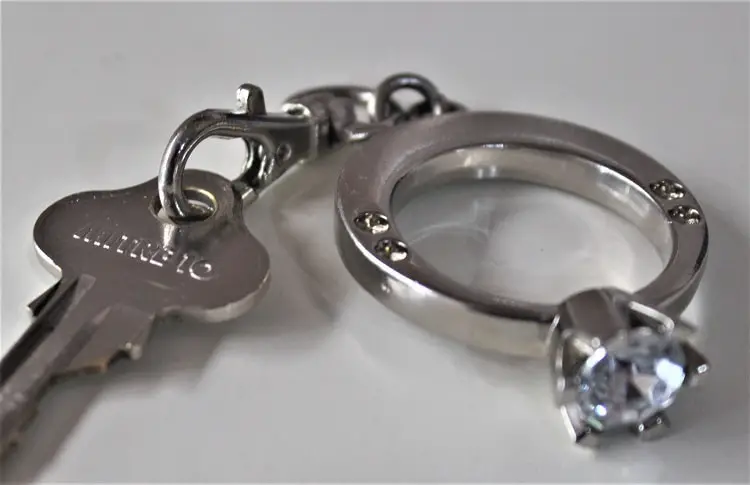
- KEYS AND LOCKS – Go through your locking-up routine if it’s not obvious.
- VEHICLES & PARKING – Can the house sitter park on your drive? Is there a code for the carpark if you live in an apartment? Will you offer them use of your car for emergencies or transporting wet dogs to and from beaches or dog parks?
- WI-FI – Get your house sitter hooked up to your Wi-Fi before you leave. I’ve had lots of issues with incorrect passwords and not knowing which network belongs to the owner.
- FOOD – House sitters usually provide their own food, but if there are perishables going to waste do tell your house sitters to help themselves. Also let them know if you’re happy for them to use your tea, coffee and pantry items.
3. Vet & Pet Preparation
Make sure your pet is up to date on vaccines before you leave and stock up on pet food, kitty litter, doggy poop bags and any medication they might need. Think about what would happen if your pet fell ill and needed to see the vet and how this would be paid for.
I had about seven vet visits during my first few years as a house sitter. I even had to pay for two of the visits myself and wait for the owners to reimburse me on their return. Not all house sitters would be willing or financially able to do that.
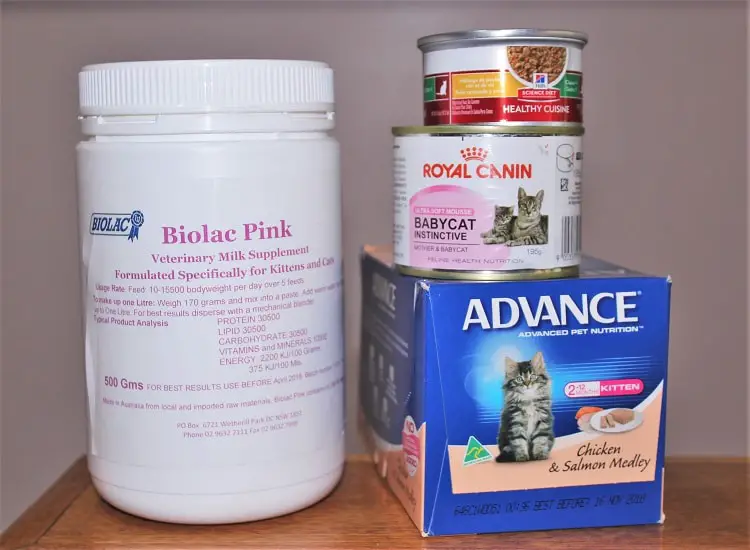
Ideally, let your vet know that you’ll be away and ask if you can leave your credit card details or pay any fees on your return.
Some pet owners even fill out a euthanasia form giving the house sitter permission to make the decision in the worst-case scenario. Alternatively, you could allocate a nearby friend or relative to take charge if your pet gets ill or leave an emergency cash fund with the house sitter.
4. How to Prepare Your House for a House Sitter
It’s standard for both the house owner and the house sitter to leave the home in a clean and tidy state. The following house sitter checklist explains how to prepare your house for a house sitter, including what is expected in terms of providing towels/household products etc.
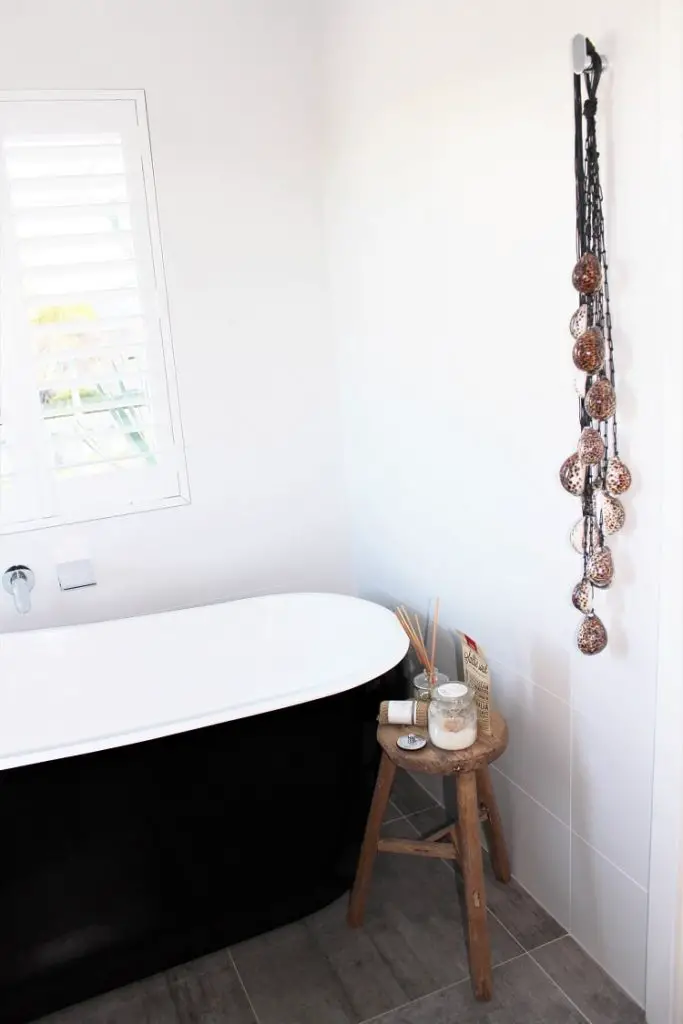
- BATHROOM – Always leave a clean towel or two for your house sitter (preferably folded on their bed, so they know that it’s clean), and make sure everything in the bathroom has been cleaned.
- KITCHEN – Leave clean cloths and tea towels out, and always clear room in the fridge for your house sitter. If you have big dogs that will take food from the worktop, also clear some space in the pantry or a place that the sitter can store their dry food.
- BEDROOM – Dust, vacuum and always put on clean sheets. If it’s a long house sit, it’s great if you can clear a bit of space in your wardrobe with some hangers and/or a shelf or drawer.
- LIVING AREAS – Dust, vacuum and clear excessive junk. Make sure remotes are easily found.
- LAUNDRY – Make sure the washing machine is empty, pegs are visible and drying racks are clear and easy to find.
- HOUSEHOLD PRODUCTS – Make sure you’re stocked up on toilet roll, laundry liquid, washing up liquid, dishwasher tablets, clean cloths, cleaning sprays and bin bags.
- VALUABLES – I would personally lock away any valuables like jewellery just in case, particularly if I don’t know the house sitter. You may wish to move expensive breakables too in case of any accidents.
- NEIGHBOURS – If you’re friendly with your neighbours do tell them you’ll be using a house sitter, and if they’re one of your emergency contacts introduce them if possible.
5. Notify Your House Sitter of Your Return
This sounds really obvious, but make sure you tell your house sitter what day and time you’ll be returning. I’ve had a number of owners giving me an incorrect return date, especially if they’re flying a long way and arriving the day after their flight leaves.
It takes me around four hours to pack, clean and load the car after a house sit. If you need to cut your holiday short, make sure you give your sitter plenty of notice, especially if they’ll be out at work in the day.
If you’ll be back in the evening and need your sitter to stick around, check if they can stay that long. Lots of house sitters may need to go straight to their next sit in the morning. If you’re flying back, send them a text when you set off home from the airport with an ETA.
Hopefully I’ve covered all the important items you need on my house sitter checklist in terms of how to prepare your house for your house sitter and how to get your pets ready!
If you haven’t found a house sitter yet, my recommended website is Trusted Housesitters. They offer a choice of homeowner membership tiers that can include cancellation insurance, home and contents protection, money-back guarantee and free video calls with vets! Click here to get 20% off an annual membership with Trusted Housesitters. You can also join for free if you want to look through sitters first. Just pay within 30 days to get your discount.
A cheaper option, if you live in Australia, is to join Aussie House Sitters. They’re one of the biggest house-sitting sites in the country and charge homeowners a one-off fee of only $49 for lifetime access.
To learn more about finding a house sitter, have a read of my guides on how to find a reliable house sitter and how to write an advert for a house sitter.
To learn more about house sitting, check out my guide on what house sitting is or browse all my house sitting guides.
Happy house sitting and happy holidays!
Lisa Bull, founder of Dreaming of Down Under, has been living in Australia as a British expat since 2015. After travelling to every state and territory in Australia and living in Perth, Brisbane and Sydney, Lisa knows from first-hand experience the best destinations to visit in Australia and the best budget travel tips. Her guides on this blog have been read by over 700k readers and helped thousands of people achieve their dream of living in or travelling Australia.